

 EN
EN

Vijesti iz industrije
Disposable Thoracentesis Trocar: Clinical Use Guide
The primary advantage of a modern disposable thoracentesis trocar lies in its integrated safety mechanism and sterile, single-use design, which directly reduces iatrogenic pneumothorax and infection risk compared to reusable blind needle systems. Eliminating reprocessing variability ensures consistent sharpness and cannula integrity for every procedure.
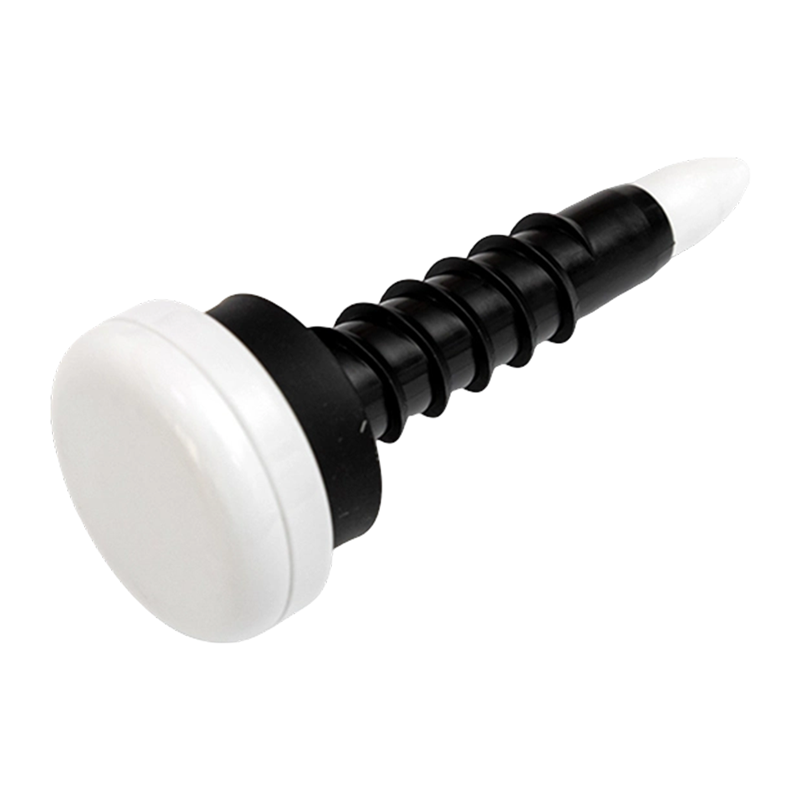
Anatomy of the Single-Use Device
Understanding the component interface is critical. A disposable thoracentesis trocar typically comprises three core elements that function differently than a standard intravenous catheter:
- Spring-Loaded Blunt Obturator: The inner stylet automatically retracts into the sharp cannula upon penetrating the parietal pleura. This design prevents the sharp tip from lacerating the visceral pleura during patient breathing cycles.
- Ergonomic Cannula: Made of radiopaque polyurethane, it is kink-resistant. Side fenestrations near the tip allow fluid drainage even if the distal opening abuts the lung surface.
- Self-Sealing Valve: An integrated one-way valve at the proximal hub prevents air entry during tubing exchanges or syringe disconnection, maintaining a closed system.
Stepwise Insertion Technique and Safety Checkpoints
A standardized protocol mitigates complications. The "Z-track" method, when combined with the safety trocar, yields the lowest incidence of post-procedure pneumothorax.
- Ultrasound Marking: Identify the diaphragm and a safe pocket of fluid. Mark the skin cephalad to the rib margin. Avoid relying solely on physical exam findings.
- Anesthesia Tract: Infiltrate lidocaine down to the superior rib border. Before skin incision, aspirate while advancing the finder needle to confirm fluid depth and avoid premature trocar entry into a dry space.
- Controlled Insertion: Advance the disposable trocar perpendicularly over the superior rib border. The tactile feedback of a distinct "pop" through the parietal pleura confirms entry, followed immediately by the blunt tip re-emerging.
- Catheter Advancement and Securing: Once the obturator is removed and fluid return is confirmed, the cannula should be advanced gently without the sharp stylet. Secure with a suture at the hub base, not by tying tightly around the catheter body, which can cause kinking.
Complication Data and Preventive Design Features
Historical complication rates highlight the necessity of safety-engineered trocars. Retrospective analyses of traditional reusable trocars reported a pneumothorax rate as high as 18%. Data from single-center audits implementing disposable safety-tipped trocars show a reduction to 2-4%.
| Trocar Type | Pneumothorax Rate | Main Risk Mechanism |
|---|---|---|
| Reusable, Sharp Obturator | ~18% | Lung laceration from unguarded tip |
| Disposable Safety Trocar | ~2-4% | Lung puncture by incomplete technique |
| Needle Over Catheter (Seldinger) | ~1-2% | Guidewire misplacement or air ingress |
The reduction hinges on the real-time shielding of the sharp point. Additionally, the closed valve system prevents pneumothorax ex vacuo, a condition where air is drawn into the pleural space during deep inspiration against an occluded but open-to-air catheter.
Managing the Dry Tap During Insertion
A common scenario when using a disposable trocar is encountering a "dry tap"—no fluid return despite believing the cannula is intrapleural. The safety obturator design offers a specific troubleshooting pathway not possible with older metal devices.
Positional Obstruction Check
If no fluid flows, do not immediately re-insert the sharp obturator. The deployed blunt tip may simply be resting against the diaphragm or a loculated adhesion. Withdraw the catheter 1-2 cm and rotate it 90 degrees. Often, a sheet of fibrin was occluding the fenestrations.
Viscosity Limitations
The luminal diameter of a standard disposable thoracentesis trocar is generally 8 French or larger. For viscous exudates, such as empyema, this diameter is critical. Attempting to drain thick pus through a catheter smaller than 8 French frequently results in immediate occlusion. In such instances, switching to a matched chest tube diameter rather than a trocar is indicated.
Re-expansion Pulmonary Edema and Volume Limits
Though less frequent in therapeutic thoracentesis, re-expansion pulmonary edema remains a concern. The closed-system nature of a disposable safety trocar does not negate the physiological risk of rapid lung expansion.
Current guidelines recommend limiting fluid removal to 1.5 liters in a single session. If the patient develops chest tightness or uncontrollable cough, the procedure must be terminated immediately regardless of the volume removed. The trocar's valve can be capped with a sterile Luer lock plug, and the remaining fluid can be drained in a staged procedure 24 hours later.

- Brze veze
- About Us
- Quality
- Service
- News
- Contact us
- Naš proizvod
- Jednokratni endoskopski laparoskopski instrumenti
- Zatvaranje rana za jednokratnu upotrebu
- Instrumenti za torakalnu kirurgiju
- Elektrokirurški instrumenti
- Otvoreni kirurški instrumenti
- Instrumenti za urinarnu anorektalnu kirurgiju
- Gastroenterološki kirurški instrumenti
- Pomoćna medicinska oprema
- Uređaj za pripremu krvi
- Kontaktirajte nas
- Tel:+86-519-69878833
- Phone:+86-13584319056
- E-mail:[email protected]
- Address:Zgrada 2D, 2C i 3C, Wujin Sci-tech Pioneer Park, br. 256 Middle Mingxin Road, Hutang Town, Wujin District, Changzhou, 213164 Jiangsu P.R. Kina

